Welcome to Lake Manyara national park
Lake Manyara National Park
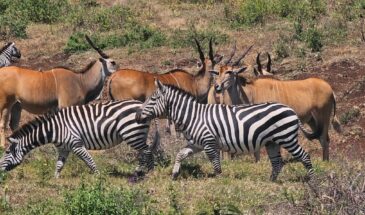
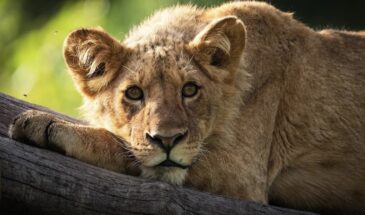
Lake Manyara National Park is one of northern Tanzania’s most captivating wildlife destinations, offering a unique mix of stunning scenery and diverse animal life. The park features a sparkling alkaline lake, lush acacia and mahogany forests, and the dramatic cliffs of the Great Rift Valley, creating a breathtaking backdrop for every safari. Visitors can encounter large herds of elephants, hippos, baboons, and zebras, as well as the park’s famous tree-climbing lions. Thousands of flamingos and other bird species add vibrant colors to the landscape, making it a birdwatcher’s paradise. Just a short drive from Arusha, Lake Manyara National Park provides an unforgettable safari experience for travelers seeking both adventure and natural beauty in Tanzania.
The best time to visit Lake Manyara is during the dry seasons, from June to October and December to February, when roads are accessible, wildlife is easier to spot, and the park offers the best safari conditions.
The wet seasons from March to May and November bring heavy rains, which can make some roads muddy, but also attract flamingos in massive numbers and lush green scenery, offering stunning photography opportunities and fewer visitors.
Top Visitor Experiences in Lake Manyara National Park
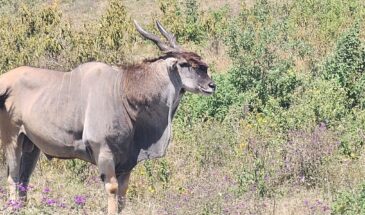
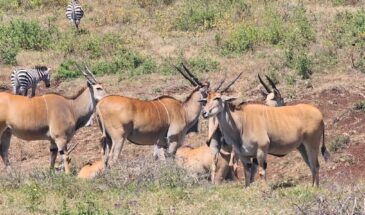
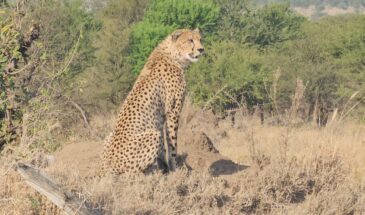
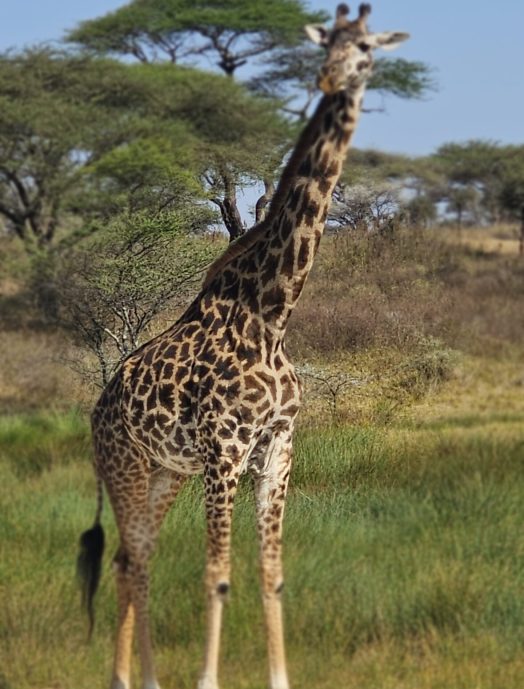
Flamingo Watching – See the lake’s massive flocks of lesser and greater flamingos in stunning pink formations. Game Drives – Spot lions, elephants, giraffes, zebras, buffalos, and baboons across the park’s diverse landscapes. Tree-Climbing Lions – Witness lions resting in the branches of acacia and fig trees, a rare and unforgettable sight. Bird Watching – Observe over 400 bird species, including fish eagles, pelicans, and storks. Scenic Photography – Capture the park’s dramatic landscapes, soda lake views, and wildlife encounters. Nature Walks & Guided Safaris – Explore the forest trails and learn about the local flora and fauna. Cultural Encounters – Interact with nearby Maasai communities to learn about traditional lifestyles and conservation efforts.